Promo codes in Roblox are often advertised as quick paths to cosmetic rewards, bonus items, or event-specific perks, but the safest approach is to treat every code claim with caution. Legitimate rewards usually come from official Roblox channels, brand collaborations, or timed promotions that clearly explain where to enter
a code and what you should receive. If a site promises free Robux, asks for your password, or pushes you to download unfamiliar software, the safest move is to leave immediately and verify the source elsewhere. This guide focuses on practical, low-risk habits: how promo codes are normally distributed,
What promo codes are
how to redeem them on trusted pages, and how to tell the difference between a real promotion and a trap. You will also learn what kinds of rewards are commonly offered, why some codes only work for limited campaigns, and how to protect your account while still enjoying official giveaways and
community events. Promo codes are short alphanumeric strings that unlock a defined reward when entered in the correct official redemption area. In Roblox, that reward is usually cosmetic rather than currency, and it may include avatar items, accessories, or event extras tied to a specific campaign. Because the value depends on
the promotion, each code has its own rules, expiry date, and platform requirements, so reading the original announcement matters before you try to redeem anything. It helps to think of a promo code as a ticket with exact instructions. Some codes are designed for the website, some for a partner landing
page, and some for a brand event that requires account sign-in after you arrive from a verified source. If a third-party page cannot explain who issued the code, when it expires, and what it unlocks, you should assume it is unreliable until the official Roblox announcement confirms it.
Where to find legitimate codes
The most reliable codes come from official Roblox pages, verified social accounts, event announcements, and collaborations with known partners. These sources usually describe the promotion in plain language and connect directly to the redemption flow or to an approved event page. When a creator, store, or sponsor is
involved, the partnership should be visible, specific, and easy to trace back to an authentic announcement rather than a repost or imitation. You can also find legitimate opportunities in seasonal events, livestreams, convention giveaways, and product promotions linked to physical merchandise. In those cases, the code often
appears on packaging, a receipt, or a campaign card, and the instructions tell you exactly where to redeem it. If you need to hunt through random forums or copy-and-paste lists, pause and check whether the same code appears on an official page before trusting it.
How to redeem on your account
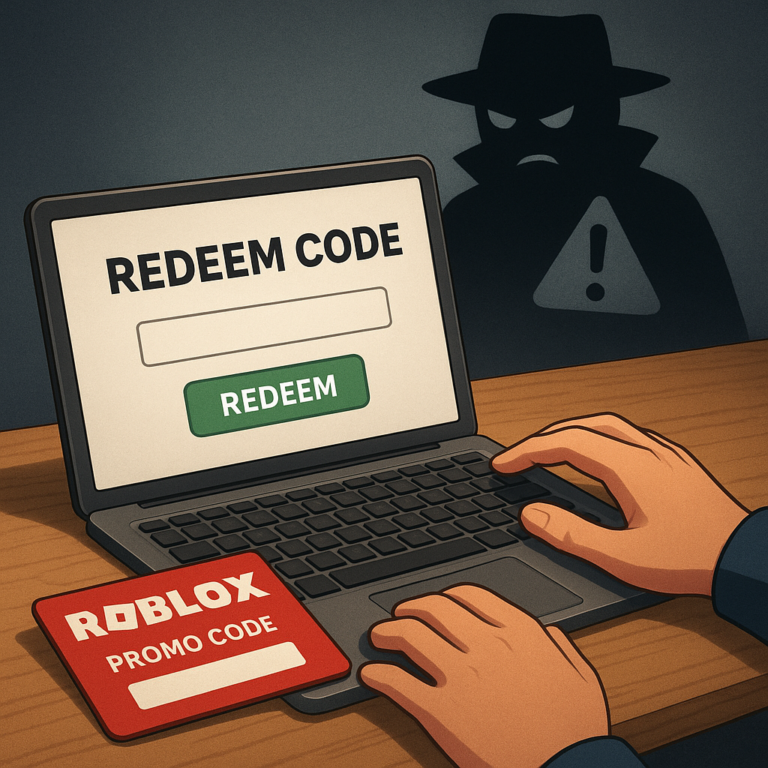
Start by signing into your Roblox account only on the official redemption destination named in the promotion. Enter the code exactly as shown, keeping an eye on similar-looking characters and any required capitalization, then submit it and wait for the confirmation message. If the promotion uses a
partner page, make sure the page still belongs to the advertised brand and that the browser address matches the official domain before you continue. If the code is valid, the reward usually appears in your inventory, avatar editor, or account notifications after a short delay. Keep screenshots or
save the confirmation message in case you need to verify delivery later. When a code fails, check the expiry date, spelling, region rules, and whether the promotion was meant for a one-time claim, because many errors come from copying the code correctly but missing a hidden condition.
Types of rewards
Most safe promo rewards are cosmetic, promotional, or event-related, which means they change appearance or unlock themed content rather than adding spendable currency. You may receive hats, shoulder accessories, backpacks, masks, emotes, or other avatar items that celebrate a launch, holiday, or brand collaboration. These rewards are attractive because
they are tied to a moment in time, but their value comes from availability and theme, not from a promise of instant wealth. Some campaigns also unlock badges, limited-time gear, or access to special areas inside an experience. These rewards can feel more valuable than standard cosmetics because they
mark participation in a specific event. Even so, the same caution applies: the reward should be described clearly in the official notice, and any page that says a code gives unlimited Robux, rare currency, or secret account boosts should be treated as a fraud warning rather than a real promotion.
How to identify fraud
Fraud often begins with urgency and exaggeration. Scam pages promise huge rewards, display countdown timers, or claim that a code will generate free Robux after you complete a survey, install an app, or share your login details. These tactics are designed to move you away from the official platform and into a risky
flow where your credentials, device, or payment data can be captured. If the offer sounds unusually generous, it probably exists to exploit trust rather than reward play. Watch for misspelled domains, copied logos, fake support chats, and messages that ask for your password, two-step code, or email verification link. A legitimate
redemption process never needs you to hand over account access to a stranger, and it should never require you to disable security features. When in doubt, stop the process, open the official Roblox site directly in a fresh tab, and search for the promotion from there instead of following an unsolicited link.
Protecting your account while redeeming
Good account hygiene makes promo code hunting much safer. Use a strong unique password, enable two-step verification, and keep recovery details current so a bad link cannot easily turn into a takeover. If you redeem codes on a public computer or shared device, sign
out afterward and avoid saving credentials in the browser, because convenience features can become liabilities when someone else uses the same machine later. It is also wise to inspect the page before you click anything beyond the redemption field. Check for HTTPS, compare the domain
to the official source, and read the surrounding text for language that matches the original announcement. If a page mixes code redemption with pop-ups, chat widgets, fake prize wheels, or requests to connect unrelated accounts, treat it as suspicious and leave without interacting further.
When a code does not work
Failed redemptions are common and do not always mean the source is bad. A code may have expired, reached its redemption limit, been restricted to a specific region, or been intended for a different event stage. It may also work only once per account,
only on a browser page, or only after you complete another step such as joining an official experience or claiming a partner item first. Before trying another site, revisit the announcement and compare every instruction line by line. Check whether the code is case-sensitive,
whether it requires a certain account age, and whether the promotion is still active. If none of those conditions explain the failure, do not chase mirror sites or “fix” tools, because those are often the same scams repackaged with slightly different wording.
Build a safer habit for future promotions
The safest way to enjoy Roblox promotions is to make verification part of the routine. Find the original source, confirm the redemption path, read the reward details, and ignore any shortcut that asks for credentials, downloads, or payment. This habit takes only a minute, but
it can protect your inventory, your account, and your time far better than trying to recover from a scam after the fact. Over time, you will notice that real promotions are specific, boring in a good way, and easy to trace. They name the partner,
explain the reward, and send you to one clear place to redeem the code. That consistency is your best defense: if a promo feels vague, urgent, or too good to be true, step back and verify it through the official Roblox ecosystem before you act.
Quick safety checklist
Confirm the source, verify the domain, avoid password requests, and check that the reward is described in the official announcement before you redeem. If anything feels off, stop and look for the same promotion on an official Roblox channel rather than trusting a repost. Safe redemption is mostly about slowing
What to do after redemption
down long enough to see whether the offer is real, limited, and properly explained. After you redeem a code, review your inventory or notifications, then save a record of the reward in case you need support later. If the promotion promised an item that
has not appeared yet, give it a little time and then return to the official instructions to see whether there are delayed delivery notes. Avoid logging into any unrelated “claim” page, because a genuine reward should never require extra exposure beyond the official process.